


Gin gets its identity from juniper and a handful of thoughtfully selected botanicals; vodka is built to disappear, delivering a clean, neutral canvas rather than a flavour of its own. Choose gin when you want an aromatic, botanical drink with a story to tell. Choose vodka when you want purity, texture, and a spirit that lets everything else in the glass shine.
TL;DR:
- Most gins are distilled with botanicals, mainly juniper, giving them a distinctive aromatic profile, while vodka remains neutral and flavorless.
- The primary difference in taste is that gin’s botanicals provide complexity and variety, whereas vodka’s neutrality makes it ideal for mixers and to let other ingredients shine.
- Both spirits have similar calorie counts at the same ABV, with higher-proof options increasing calorie content, but mixers significantly impact the overall calorie load.
- Homemade gin can be made by infusing vodka with botanicals, though commercial gin relies on controlled distillation processes, and home methods can carry safety risks.
- Choice ultimately depends on whether a drinker prefers a unique, botanical flavor profile or a clean, neutral spirit that emphasizes the mixer or ingredients.
Table of Contents
- Gin vs vodka: what actually defines each spirit
- How do gin and vodka differ in taste and cocktails?
- Gin vs vodka calories: which one is lighter?
- Can you make gin from vodka?
- How do I choose between gin and vodka?
- Where Winstonquinn’s gins fit the picture
- A drinker’s honest take on the gin vs vodka debate
- Try the botanical side for yourself
- Sources
- FAQ
Gin vs vodka: what actually defines each spirit
The line between these two spirits comes down to law as much as taste. Vodka is defined, in most producing countries, as a neutral spirit distilled to a high purity with no distinctive character, aroma, or colour. Gin, by contrast, must be flavoured predominantly by juniper. Drop that requirement and you no longer have gin, no matter how many other botanicals are in the mix.
Vodka’s production is a study in refinement. Distillers ferment a base, commonly grain or potato, then run it through multiple distillations or a continuous reflux column still to strip away impurities and congeners until what’s left is close to pure ethanol and water. The fewer flavour compounds that survive, the “cleaner” the vodka is considered.
Gin takes the opposite path once that neutral spirit exists. Distillers steep botanicals directly in the spirit (maceration), suspend them in a vapour path so the alcohol picks up aroma as it passes through (vapour infusion via a gin basket), or redistil the whole batch with the botanicals included. Gin production commonly begins with a neutral spirit, with juniper leading and everything else, citrus peel, coriander, angelica root, orris, playing a supporting role.
Styles branch from there. London Dry demands all flavour come from distillation, no post-distillation additives. Navy strength pushes the ABV well past standard. Contemporary craft gins, including regional variations, lean into local botanicals for a distinct signature.
How do gin and vodka differ in taste and cocktails?
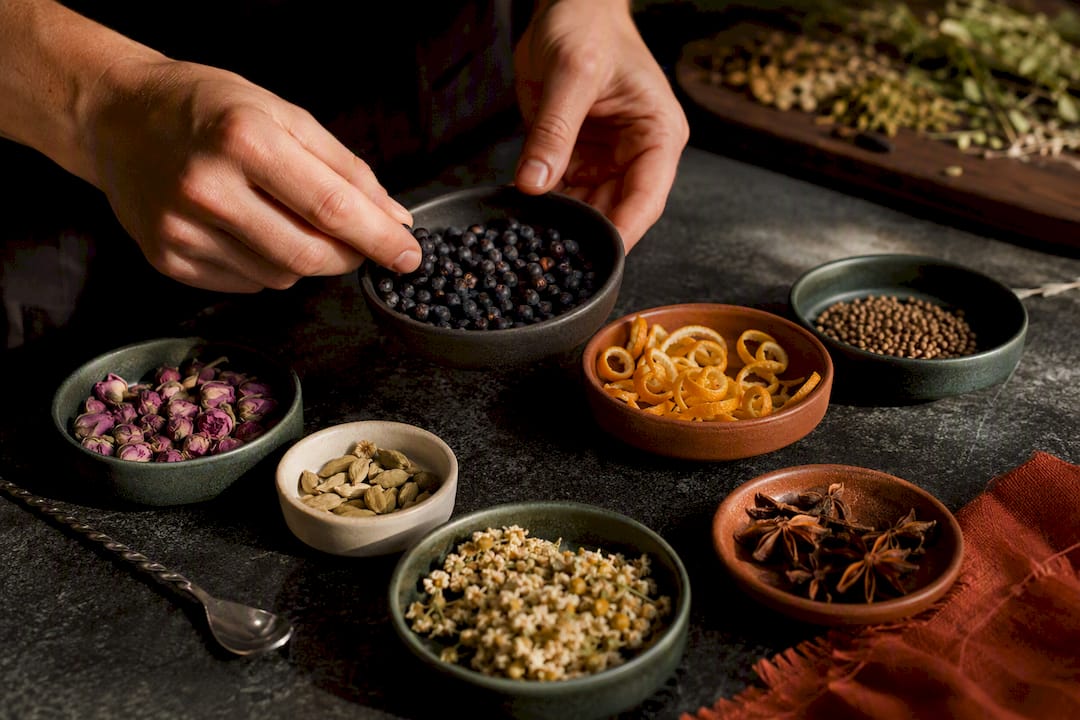
Botanicals are where gin earns its reputation. Juniper provides the backbone, piney and slightly peppery, while citrus peel, florals, and warming spices layer on top. No two gins taste alike, which is exactly the point.
Vodka’s job is different. A well-made vodka has almost no aroma and a soft, sometimes faintly sweet or oily mouthfeel depending on the base ingredient and distillation method. Texture matters more than flavour here. That neutrality is precisely why bartenders reach for vodka when they want a mixer or juice to be the star of the show.
Certain cocktails only work because of these traits:
- Gin & tonic: the quinine bitterness of tonic plays off juniper and citrus botanicals rather than masking them.
- Classic martini: gin brings layered aromatics to the glass, while a vodka martini, as bartenders often note, leans into texture and chill instead of complexity.
- Negroni and gimlet: both rely on gin’s botanical backbone standing up to Campari’s bitterness or lime’s acidity.
- Moscow mule and vodka cranberry: vodka’s neutrality lets ginger beer and cranberry juice dominate rather than compete with the spirit.
- Cosmopolitan and vodka highballs: built the same way, letting fruit and citrus lead.
Dilution matters too. How much ice melts into a gin and tonic changes how the botanicals read on the palate, and getting the tonic ratio right makes a genuine difference to how balanced the drink tastes. For inspiration on where gin shines, Winstonquinn’s gin cocktail recipes run through tonic pairings, martinis, and highballs side by side.
Gin vs vodka calories: which one is lighter?
Neat, there’s barely a difference. Standard vodka and dry gin are essentially free of sugar, fat, and carbohydrate in their unflavoured forms, so their caloric values sit close together at a matched ABV. The calorie count in your glass is driven almost entirely by proof, not by which bottle you poured from.
ABV ranges tell a similar story. Standard vodka and gin typically fall within similar alcohol by volume (ABV) ranges, with some gins available at higher proofs known as navy strength. A higher-proof pour simply carries more calories per nip, regardless of spirit.
Where the real gap opens up is the mixer. A gin and tonic with regular tonic water adds meaningful sugar on top of the spirit. A Moscow mule’s ginger beer does the same for vodka. Cordial, juice, and flavoured syrups compound the effect further, meaning the “healthier” choice usually has less to do with gin versus vodka and everything to do with what’s poured on top.
None of this makes either spirit a health drink. Public-health guidance is unambiguous: there is no known safe level of alcohol consumption, and that applies equally to a clear spirit and a botanical one. Choosing gin over vodka, or vice versa, isn’t a health decision. It’s a flavour one.
Can you make gin from vodka?
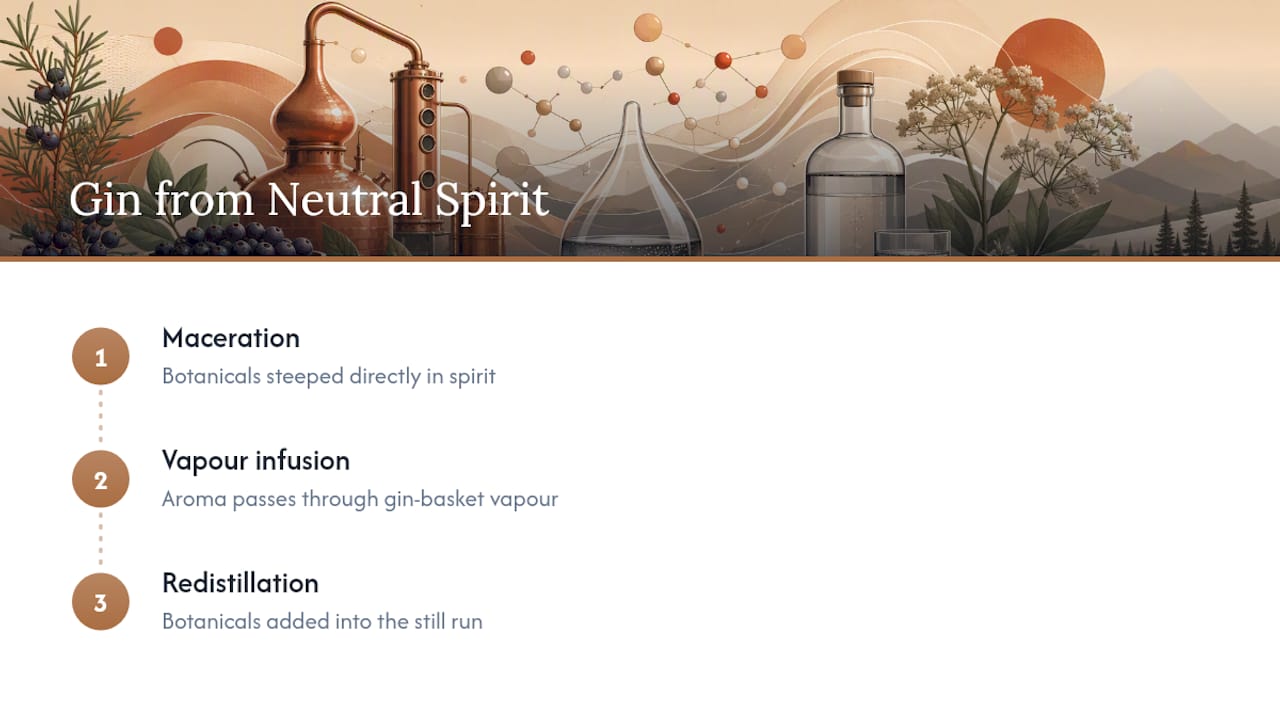
Commercially, gin nearly always starts life as a neutral spirit that looks a lot like vodka before botanicals enter the picture. The distinction is what happens next: maceration steeps juniper and other botanicals directly in the spirit, vapour infusion carries their aroma through a gin basket during a second distillation, and full redistillation folds the botanicals into the still run itself.
Home experimenters sometimes try a shortcut version, infusing store-bought vodka with juniper berries and other botanicals over a few days. This can produce a passable homemade gin-style spirit, but it’s a world away from a commercial gin basket setup, which controls temperature, vapour contact, and distillation far more precisely. So-called “bathtub gin” methods carry real risk if distillation is involved. Check your local laws and safety guidance before attempting any home distillation, since rules and restrictions vary widely by jurisdiction.
How do I choose between gin and vodka?
Work through this before you buy or mix:
- Decide what you want the spirit to do. If you want the drink to taste of something distinct, botanical, herbal, piney, citrusy, go gin. If you want the mixer or juice to lead, go vodka.
- Match it to the cocktail. A martini, negroni, or G&T calls for gin’s complexity. A mule, cranberry, or fruit-forward highball calls for vodka’s neutrality.
- Test before committing. Buy small bottles or sample pours of two or three gins with different botanical profiles rather than a full bottle you might not enjoy.
- Try a gateway cocktail. A Gin Gin Mule pairs lime, ginger, and mint with gin’s botanicals, a friendly bridge for vodka drinkers curious about gin, or try Winstonquinn’s Pink Fit Cosmopolitan for the same effect.
Watch for two red flags: heavily sweetened “flavoured” spirits that hide sugar behind a fruity label, and unnecessarily high ABV bottles bought for a casual cocktail when a standard-strength pour would serve just as well.
Pro Tip: Shaking agitates botanicals more than stirring, so a shaken gin cocktail often tastes brighter and more aromatic than the same recipe stirred. Vodka barely notices the difference either way.
Where Winstonquinn’s gins fit the picture
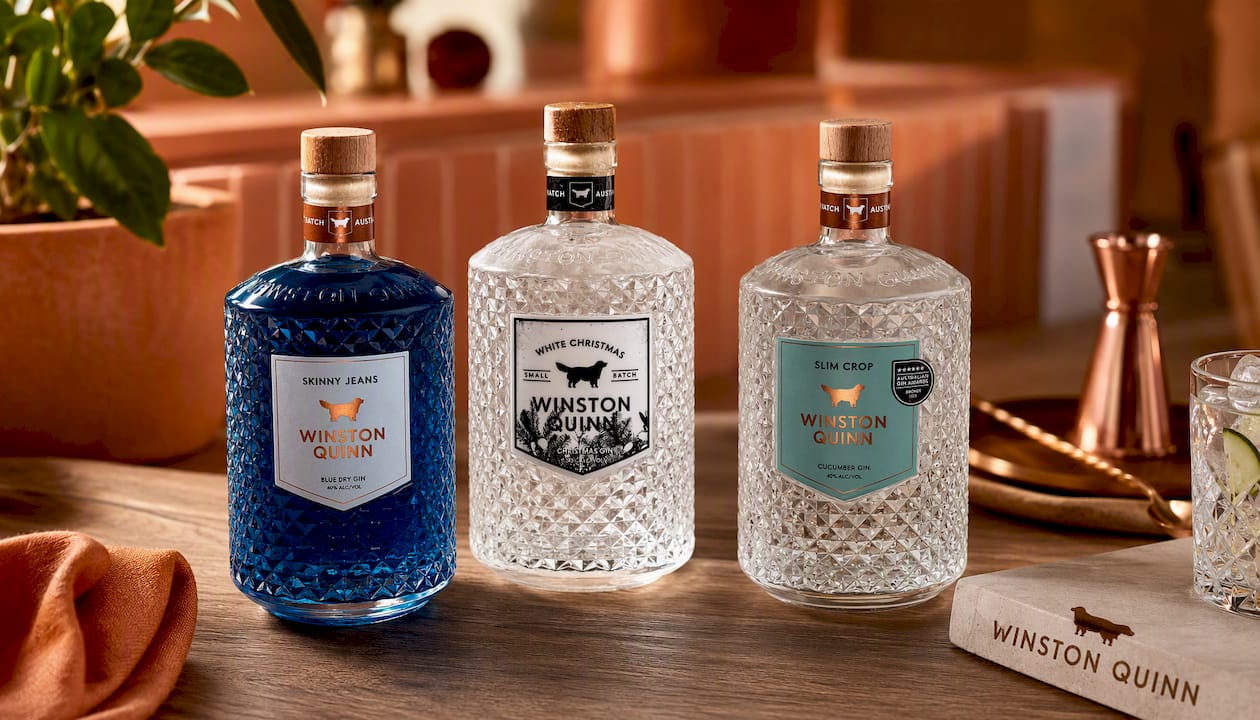
Everything above plays out in bottle form across Winstonquinn’s Denim Collection. Each gin is distilled with thoughtfully selected botanicals and naturally coloured, no shortcuts, no additives standing in for genuine flavour. Skinny Jeans Gin offers a lighter, more approachable botanical profile for drinkers easing into gin from a vodka background. White Christmas Gin leans into seasonal, warming spice notes that suit a mule-style serve. Slim Crop Gin delivers a bolder, more assertive character for those who want juniper front and centre.
Try any of them in a simple serve first, then branch into the gin cocktail recipes to see how the same bottle behaves across a martini, a highball, or a gateway cocktail.
A drinker’s honest take on the gin vs vodka debate
Neither spirit is objectively better, and anyone who tells you otherwise is selling something. The real question is what you want from the glass. If you’re after texture and neutrality, vodka does that job with quiet efficiency. If you want a drink that tastes like somewhere and something, gin wins every time. Try both in a simple serve, then in a gateway cocktail, and let your own palate settle the argument. Drink for the flavour, not the hype, and always drink responsibly.
— Winston
Try the botanical side for yourself
If the gin side of this comparison has you curious, A denim collection of gins distilled from natural botanicals with no artificial colouring, is a straightforward place to start. Rather than guessing which profile suits your palate, you can sample a lighter option like Skinny Jeans Gin or go bolder with Slim Crop Gin, both built to show exactly how juniper and its supporting botanicals behave in a glass.
Pair whichever bottle you choose with a recipe from the gin cocktail recipes hub, from a classic martini to a mule-style highball, and see how the botanicals you just read about actually taste. Order online now and have your next gin delivered to your door.
Sources
- No level of alcohol consumption is safe for our health — WHO Europe
- How to Make Gin & Vodka at Home: A 2026 Safety Guide — EatHealthy365
- Crafting the perfect martini — insights from Never Never Distilling Co. — Ocean Road Magazine
FAQ
Which is better to drink, vodka or gin?
Neither is objectively better. It comes down to whether you want a neutral spirit that lets mixers lead (vodka) or a botanical one with its own aromatic character (gin).
Is gin just fancy vodka?
No. Gin starts as a neutral spirit similar to vodka, but it’s legally required to be flavoured predominantly with juniper and other botanicals, which changes its taste, aroma, and legal classification entirely.
Is gin the healthiest alcohol to drink?
Not inherently. Neat gin and vodka have near-identical calorie counts at matched ABV, and no level of alcohol consumption is considered safe, so gin isn’t a healthier choice, just a different-tasting one.
Does gin get you drunk faster than vodka?
No, intoxication depends on the alcohol content of what you drink, not the spirit type. Since both typically sit in a similar ABV range, a standard pour of either affects you at roughly the same rate.
