


By law, gin must draw its character from juniper, so a bottle marketed as truly juniper-free technically isn’t gin. What you can find, though, are gins where juniper takes a back seat to citrus, florals or fruit. Start with vapour-infused, contemporary-style bottles like Slim Crop, Dry Cut or White Christmas, and if you’re managing a genuine sensitivity, ring the distillery before you buy.
TL;DR:
- Genuine gin must have juniper as the primary flavor, so labels like “botanical spirit” or “flavoured vodka” indicate minimal or no juniper presence.
- Vapour infusion and citrus or floral botanicals are common techniques distillers use to reduce the piney taste in gin.
- Citrus-heavy, floral, barrel-aged, or fruit-infused gins are the best options for those who dislike juniper’s flavor.
- Alcohol proof can affect flavor intensity, so lower-proof gins are generally better for sensitive palates, especially for beginners.
- Always verify the production method and botanicals list before buying; tasting notes help distinguish juniper-forward gins from those built to downplay pine.
Table of Contents
- What does “gin without juniper” actually mean under the law?
- How do distillers make gin taste less like juniper?
- Which gin styles work best if you don’t like juniper?
- How do you choose and taste a low-juniper gin?
- Why Winstonquinn’s range works for juniper-shy drinkers
- When should you choose low-juniper gin over a different spirit entirely?
- Ready to taste the difference for yourself?
- Sources
- FAQ
What does “gin without juniper” actually mean under the law?
Here’s the bit most people skip past: under the Australia New Zealand Food Standards Code, Standard 2.7.5, a spirit can only be sold as gin if it has the taste, aroma and characteristics generally attributed to gin. In plain terms, that means juniper has to be doing the heavy lifting, flavour-wise. There’s no legal category for “gin, minus the juniper.”
So when a producer strips juniper right out or lets another botanical take over completely, the product usually gets a different name on the label: a botanical spirit, a flavoured vodka, or a liqueur. That’s not a marketing dodge. It’s the honest outcome of the standard doing its job.
What this means for you at the bottle shop is straightforward. A few label cues tell you what you’re actually holding:
- If “gin” is on the front label, juniper is legally required to shape the flavour, even if it’s subtle.
- Bottles labelled “botanical spirit,” “flavoured vodka” or “liqueur” have sidestepped the juniper requirement entirely.
- Words like “London Dry” signal a traditional, juniper-forward style, while “contemporary” or “New Western” often hint at a lighter touch.
None of this means every gin tastes the same. It means the juniper is there, structurally, even in the gentlest bottles. The skill is in how much a distiller lets it dominate.
How do distillers make gin taste less like juniper?
Two production choices decide how piney a gin ends up: maceration and vapour infusion. Maceration soaks the botanicals directly in the spirit before distillation, which pulls out bold, sometimes bitter juniper oils. Vapour infusion suspends the botanicals in a basket above the still, so only their lighter aromatic vapours pass through with the alcohol. Alcohol Professor’s breakdown of gins for people who don’t like juniper explains that this basket method keeps delicate citrus and floral notes intact while easing off harsh juniper extraction.
Beyond technique, distillers also lean on the botanical mix itself. Common strategies include:
- Loading up on citrus peel (orange, grapefruit, lemon) to push bright, zesty notes to the front.
- Adding florals like rose, elderflower or chamomile so the aroma reads as fragrant rather than piney.
- Macerating fruit separately or finishing in oak barrels, both of which soften and round out the juniper edge.
Pro Tip: Check the back label or the brand’s website for phrases like “vapour infused,” “contemporary style” or a botanical list led by citrus and florals rather than juniper. These are strong signals the bottle was built to downplay pine before you even pour it.
Which gin styles work best if you don’t like juniper?
Four broad style families tend to dial juniper down without breaking the legal definition. Each one solves the “too piney” problem differently, so it’s worth knowing what you’re actually chasing before you buy.
- Citrus-forward gins. These lean hard into orange, grapefruit or lemon peel, which mutes the pine and gives the spirit a bright, almost cocktail-ready character on its own.
- Floral or contemporary gins. Rose, cucumber and elderflower take the lead here, shifting the whole experience from “forest” to “garden.” Juniper still anchors the spirit, but it’s rarely what you notice first.
- Barrel-aged or whisky-hybrid gins. Time in oak adds vanilla, caramel and texture, which rounds off sharp juniper notes and gives the spirit a warmer, more layered finish.
- Fruit-infused and pink gins. These skew sweeter and more approachable, though some are labelled as liqueurs once fruit sugar and colour take over from the base spirit.
Winstonquinn’s own range sits comfortably across a few of these lanes. Slim Crop Gin leans cucumber and citrus, so the nose is crisp and green rather than piney. Dry Cut Gin takes the clean, bright London Dry framework and sharpens it into something more modern and approachable. White Christmas Gin leans into a seasonal, warmly spiced profile that’s built for easy sipping rather than a pine-forward punch. Guides like VinePair’s roundup of gins for gin haters confirm this is exactly the direction most juniper-shy drinkers gravitate towards.
How do you choose and taste a low-juniper gin?
Reading a label properly saves you from buying blind. Before you commit to a bottle, run through this checklist:
- Check the production method: vapour infusion or “small batch, contemporary” phrasing usually means gentler juniper.
- Read the full botanicals list. If citrus, florals or fruit are named first, juniper is playing a supporting role.
- Note the ABV. Higher-proof gins (think navy strength styles like Double Denim) can intensify every botanical, juniper included, so they’re not always the safest starting point for juniper-averse drinkers.
- Look for a tasting note description, not just a botanical list, since two gins with similar ingredients can taste very different depending on distillation.
Once you’ve got a bottle, taste it in three stages. Nose it first and note whether pine or citrus/florals hit you initially. Take a small neat sip and pay attention to what lingers in the middle of your palate, that’s usually where juniper shows up if it’s present in force. Finally, check the finish: a long, resinous aftertaste means juniper-forward; a short, bright, citrusy finish means it’s been kept in check.
For mixing, skip heavy, quinine-forward tonics and pair citrus or floral gins with something lighter from Winstonquinn’s tonic range. A Pink Fit Cosmopolitan or a Tropical Trim Mango Daiquiri both showcase fruit-forward gins without letting juniper fight for attention. If you’re pairing with food, something like a chocolate and toffee dessert board, as Dudley’s Toffee explains in its wine pairing guide, works surprisingly well alongside a sweeter, fruit-led gin.
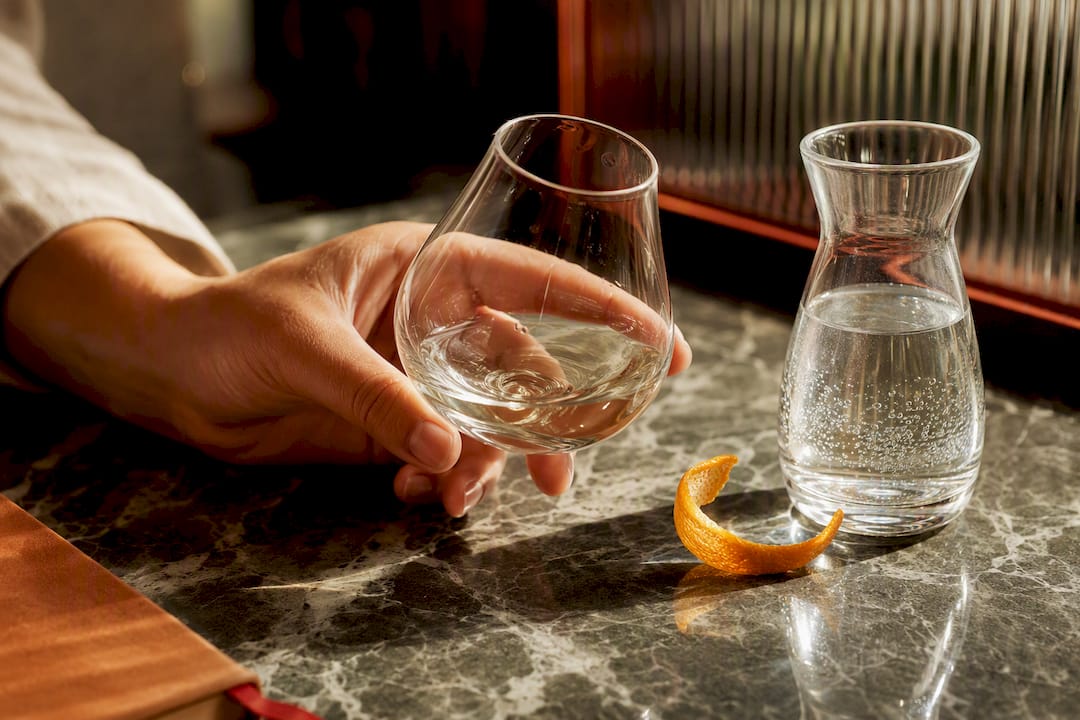
Pro Tip: If you’ve got a genuine juniper allergy rather than just a taste preference, ask the seller or distillery directly whether every botanical is listed on the label. Spirits aren’t always required to disclose the full botanical bill, so a phone call or email is the only reliable way to confirm what’s actually in the bottle.
Why Winstonquinn’s range works for juniper-shy drinkers
Some gins are distilled from locally sourced, natural botanicals, with vegan and gluten-free credentials across the range and no artificial colouring hiding behind the label. This means the flavour differences between bottles come from genuine botanical choices, not shortcuts.
If you’re navigating this range for the first time, match the style to your palate:
- Slim Crop suits drinkers who want cucumber and citrus leading the charge, with juniper sitting quietly underneath.
- Dry Cut is the pick for a brighter, more contemporary take on the classic London Dry structure.
- White Christmas works for anyone after a seasonal, easy-drinking gin rather than a traditional piney profile.
Unsure where to start? Winstonquinn’s personalised gin quiz walks you through your flavour preferences and points you towards the bottle that fits. If you’ve got specific allergy questions, reach out to the distillery directly for ingredient confirmation before you order.
When should you choose low-juniper gin over a different spirit entirely?
If your issue with juniper is a taste preference rather than a medical one, a citrus-forward or floral gin will usually get you there, especially in cocktails where other botanicals get room to shine. If juniper genuinely disagrees with you, whether through allergy or intolerance, it’s worth trying a non-gin botanical spirit or an aquavit instead, both skip the legal juniper requirement altogether. Either way, ask producers for transparency on their full ingredient list before you commit to a bottle.
— Winston
Ready to taste the difference for yourself?
Winstonquinn built its Denim Collection around the idea that a bold gin doesn’t have to mean a piney one. Every bottle is distilled with locally sourced, natural botanicals, so when we say Dry Cut or Slim Crop leans citrus or cucumber, that’s the actual flavour profile you’re getting, not a marketing gloss over a standard juniper-heavy spirit.
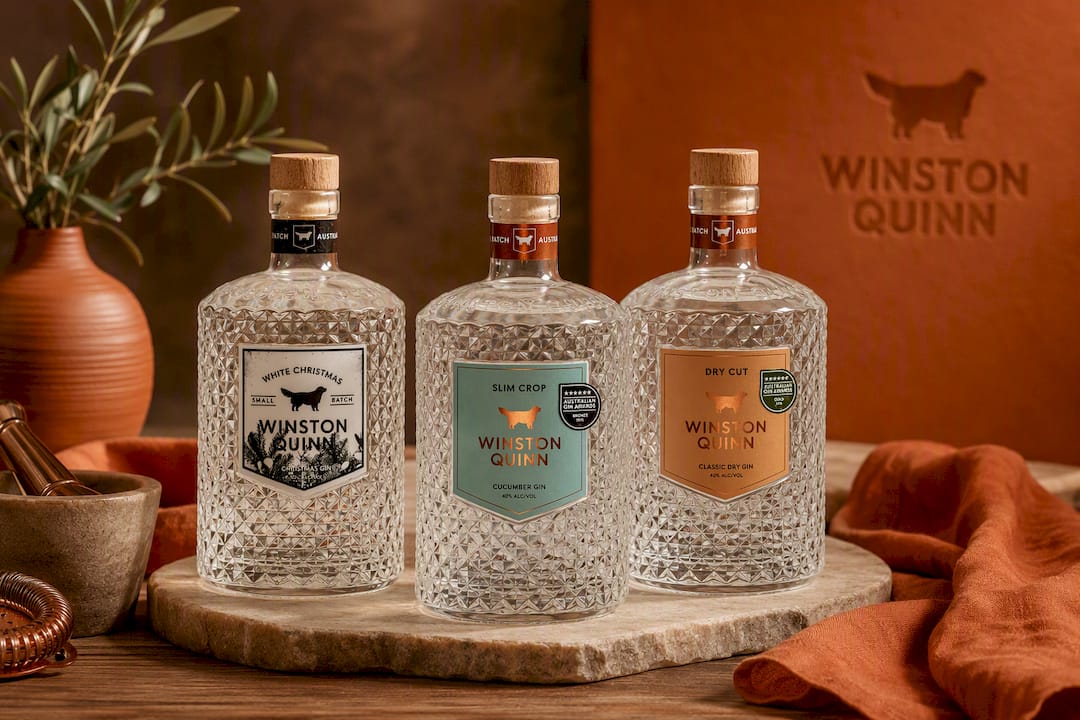
If citrus and green notes sound like your style, start with Slim Crop Gin. Want something brighter and more contemporary? Dry Cut Gin is built for that. After something more seasonal and easy-drinking, White Christmas Gin fits the bill. Browse the full gin collection or explore The Denim Collection to compare styles side by side, and if you’re after merch or a limited release to go with your bottle, check the Limited Editions and Merch ranges too. Take the gin quiz on Winstonquinn’s site to find your match, then order direct for delivery.
Sources
- Australia New Zealand Food Standards Code — Standard 2.7.5
- Gins for people who don’t like juniper — Alcohol Professor
- Hate juniper? Here are 9 gins you’ll love — VinePair
FAQ
Do all gins contain juniper berries?
Yes. Under the Australia New Zealand Food Standards Code, a spirit can only be labelled gin if juniper shapes its characteristic flavour. Bottles without meaningful juniper are sold as botanical spirits, flavoured vodkas or liqueurs instead.
Does Hendrick’s gin contain juniper?
Yes, Hendrick’s uses juniper as its legal base but balances it heavily with cucumber and rose, which is why it tastes lighter and less piney than a traditional London Dry.
Can you drink gin if you have a juniper allergy?
Not safely, since juniper is a legal requirement in every true gin, even the lightest contemporary styles. If you have a diagnosed allergy, ask the distillery to confirm the full botanical list rather than relying on tasting notes alone, and consider a non-gin botanical spirit or aquavit instead.
Does Tanqueray gin contain juniper berries?
Yes. Tanqueray is a classic London Dry gin, meaning juniper is front and centre in its flavour profile, alongside coriander and angelica root, with little effort made to soften the pine.
What’s the closest thing to a juniper-free gin?
There’s no legally recognised juniper-free gin, but citrus-forward and floral styles like Winstonquinn’s Slim Crop or Dry Cut get you close by letting other botanicals lead while juniper stays structural rather than dominant.
