


Barrel aged gin is a sipping-first style that adds wood-driven texture, colour and dessert-like notes to a botanical base, and yes, it’s worth buying if you want a gin built for slow evenings or a gift that feels genuinely considered. Ageing in oak shifts a clear spirit toward amber, softening the juniper edge with vanilla, spice or dried fruit depending on the cask. What follows covers how that transformation happens, how to taste and serve it properly, a shopping checklist, and the expressions we’d put in your glass first.
TL;DR:
- Barrel-aged gin is best enjoyed neat or in spirit-forward cocktails; high dilution reduces its complex wood and botanical flavors.
- The cask type and age listed on the label are crucial indicators of flavor, with options including bourbon, sherry, wine, or virgin oak barrels.
- Smaller casks and warmer climates accelerate oak influence, often producing mature flavors within weeks rather than months or years.
- High-proof, bold gins like Winston Quinn’s Double Denim are more suited for barrel aging than delicate, floral styles that risk losing their character.
- Expect a premium price for single-cask, long-matured, or limited releases, and avoid ambiguous “barrel finished” labels lacking specific details.
Table of Contents
- What is barrel ageing and how do distillers use casks?
- How does ageing change a gin’s botanicals and alcohol strength?
- How should you taste and serve barrel aged gin?
- What should you check before buying a barrel aged gin?
- Winston Quinn’s take on barrel character and matching bottles to buyers
- Recommended pairings for food and cocktails
- When to pick a barrel expression over a dry gin
- Shop the Denim Collection
- Sources
- FAQ
What is barrel ageing and how do distillers use casks?
Barrel ageing means resting finished gin in wood, usually for weeks to several months, so the spirit pulls colour, tannin and flavour compounds directly from the timber. Three things happen inside that cask: wood extraction (sugars and lignin dissolving into the spirit), oxidation (slow contact with air through the wood grain, which rounds out harsh edges), and evaporation, known in the trade as the angel’s share. Barrel maturation adds complex flavours and aromas that no other production method can replicate, and the cask a distiller chooses does most of the heavy lifting on the final character.
Different cask histories bring distinct signatures to the finished gin:
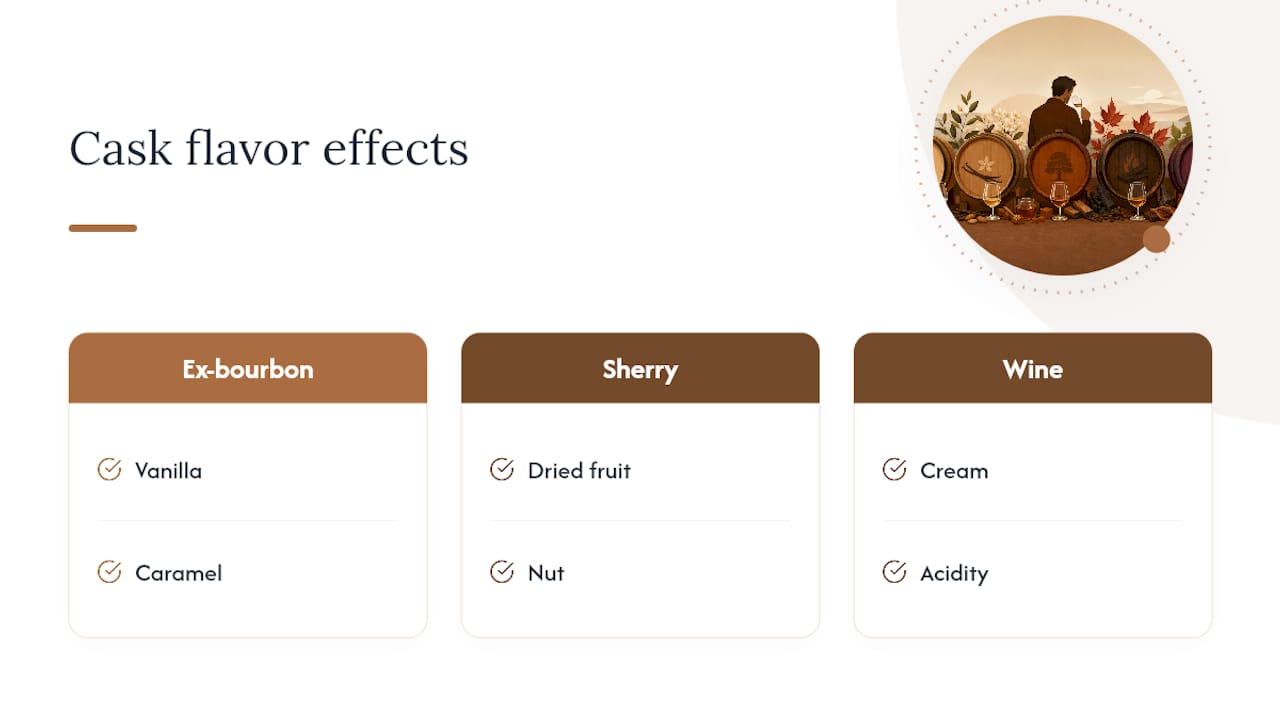
- Ex-bourbon barrels lean into vanilla and caramel, a legacy of the char and the American oak.
- Sherry casks push dried fruit, nut and a touch of sweetness from years of holding fortified wine.
- Wine barrels (particularly red) add cream-like texture and a lift of acidity.
- Virgin oak delivers the most aggressive spice and tannin, since nothing has mellowed the wood beforehand.
Barrel size matters just as much as barrel history. Smaller casks have a higher surface area relative to the volume of spirit inside them, so oak character develops faster in smaller barrels than it would in a full-sized cask. A warm, fluctuating climate accelerates that extraction further, which is why some producers can turn around a convincing barrel expression in a matter of weeks rather than years.
How does ageing change a gin’s botanicals and alcohol strength?
The result depends entirely on the tug-of-war between the base gin and the cask. A robust, high-proof gin with plenty of juniper and citrus oil can stand up to months in oak without losing its identity. A delicate, floral gin dropped into the same barrel for the same stretch of time risks getting buried under wood tannin, and the botanicals end up as a whisper under the oak.
Expect the aroma and palate to shift toward vanilla, caramel, dried stone fruit, and a drying tannin finish, with the intensity climbing the longer the spirit sits in wood. A lightly rested gin might show a pale straw colour and only a faint toffee note, while a heavily aged one turns a deep amber with barrel character dominating the nose before juniper even gets a look-in.
One figure worth remembering: ex-bourbon casks tend to push vanilla and caramel forward, sherry casks bring dried fruit and nut, and wine casks add cream and acidity, and these three cask types account for most barrel-aged gin on the market today. Check the label for proof.
How should you taste and serve barrel aged gin?
Treat a barrel-aged gin more like a young whisky than a gin and tonic base, at least on the first pour.
- Taste it neat first, at room temperature, to catch the full range of wood, spice and botanical notes before anything dilutes them.
- Add one large ice sphere rather than a handful of cubes if you want it slightly cooler. Slow melt means less dilution wrecking the balance.
- Move into spirit-forward cocktails once you know the profile. A negroni sour built around a smoked, wood-forward gin shows off barrel character far better than a highball ever could.
Skip the basic tonic. Quinine and heavy carbonation flatten the vanilla and caramel notes you paid for. Ginger ale, a spiced soda, or a splash of sweet vermouth all work with the wood instead of against it.
Pro Tip: Pour barrel-aged gin into a tulip glass rather than a tumbler. The narrower rim concentrates the aroma, so you get the full vanilla and dried fruit hit before the first sip.
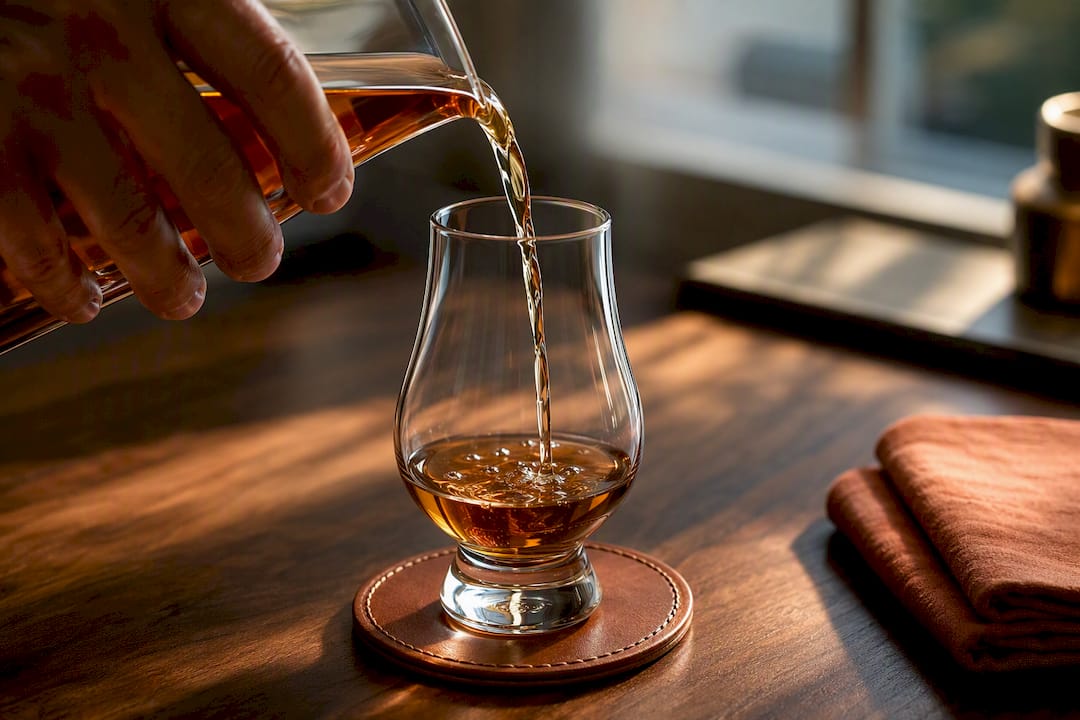
For gifting, a simple wooden gift box or a leather coaster set alongside the bottle signals that you understand what’s inside, without needing to say a word.
What should you check before buying a barrel aged gin?
A quick scan before you commit to a bottle:
- Cask type or finish stated clearly (ex-bourbon, sherry, wine, virgin oak), not just “barrel finished.”
- Rest time or age wording, even if it’s approximate. Producers who are proud of their maturation period usually say so.
- Base gin style, because a bold navy-strength base handles oak differently to a delicate floral one.
- ABV or proof printed on the label, since higher-proof bases generally carry cask influence more gracefully.
- Single cask versus batch, which affects both consistency and price.
- Bottle size and price band relative to what’s actually inside.
Watch for vague language. “Barrel finished” with no cask type, previous fill, or timeframe listed is often a shortcut around genuine ageing. Genuine barrel contact produces amber colour and woody sugars naturally, so a gin that’s suspiciously bright gold with no cask detail on the label deserves a second look for added colouring.
On price: single-cask releases and anything with a longer maturation period usually cost more, partly because evaporation losses shrink the final yield and partly because limited runs simply cost more to produce. Expect to pay a premium over a standard dry gin, and expect that premium to climb further for anything labelled single cask or small batch.
Winston Quinn’s take on barrel character and matching bottles to buyers
We build every gin around a flavour-first approach, distilling with locally sourced botanicals and no added colouring, which matters even more once wood enters the picture. Getting barrel character right means protecting the botanical identity underneath, not letting oak steam roll it, and that’s the same philosophy we bring to every release in the Denim Collection.
Here’s how the range splits by use case:
Recommended pairings for food and cocktails
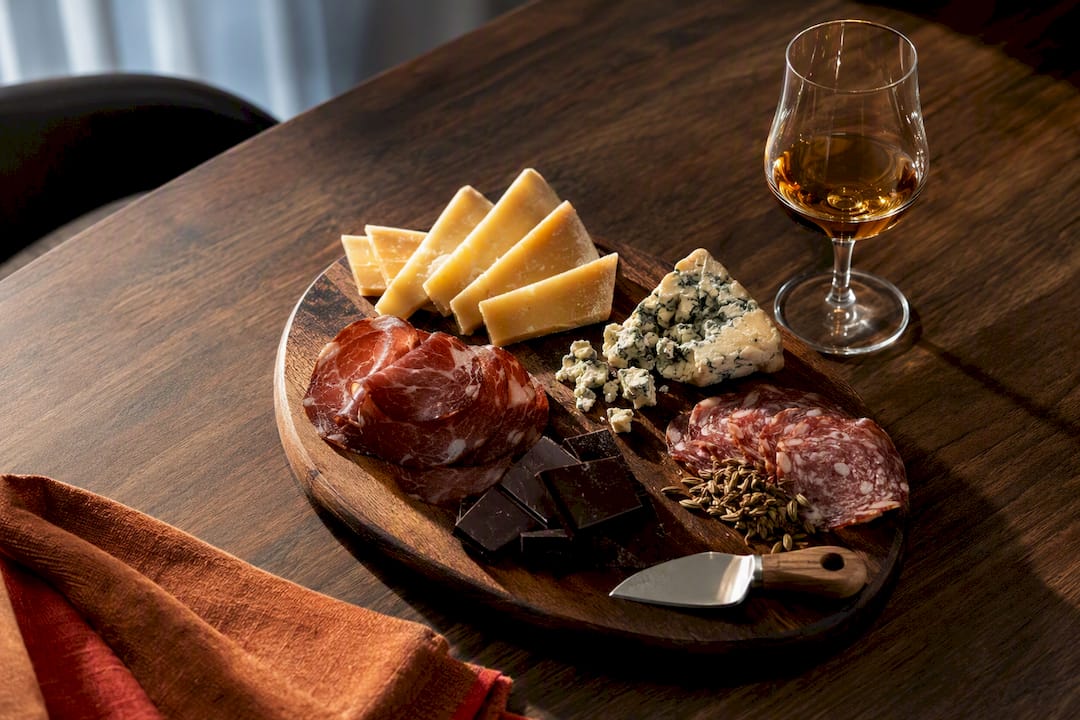
A barrel-aged gin rewards the same pairing instincts you’d use for a good whisky. Aged cheddar, dark chocolate with a high cocoa percentage, or a wedge of blue cheese all echo the caramel and dried fruit notes coming off an ex-bourbon or sherry cask. Charcuterie with a fattier cure, like a salami rich in fennel, plays nicely against the tannin from virgin oak.
On the cocktail side, reach for drinks built for brown spirits rather than classic gin serves. A twist on a Manhattan or an Old Fashioned, swapping in barrel-aged gin for whisky, lets the wood notes carry the drink instead of competing with them. Our Pink Fit Cosmopolitan can take a heavier gin well if you want something more citrus-forward, and the full gin cocktail recipe collection has a handful of options worth adapting for a wood-influenced pour.
Toast and char level matters here too. Heavier char pushes caramel and smoke, while lighter toasting keeps the spice subtler, and that distinction should guide which dishes or drinks you reach for. A gin with heavy char and smoke suits a barbecued dish or a dessert with burnt sugar; a lighter toast pairs better with something like poached pear or a mild soft cheese.
When to pick a barrel expression over a dry gin
My rule of thumb: buy barrel-aged for gifting or for a slow, deliberate pour, and stick with a dry gin for everyday mixing. Once opened, keep the bottle upright, away from direct light, and it’ll hold its character for well over a year. Barrel-aged gin doesn’t need the fridge, just a bit of respect for the wood inside it.
— Winston
Shop the Denim Collection
Choosing a craft gin from a trusted brand helps avoid guessing your way through a bottle shop shelf for a gift that actually lands. Each expression is distilled using botanicals without added colouring, so the taste reflects the spirit straight from the still and, where relevant, the cask.
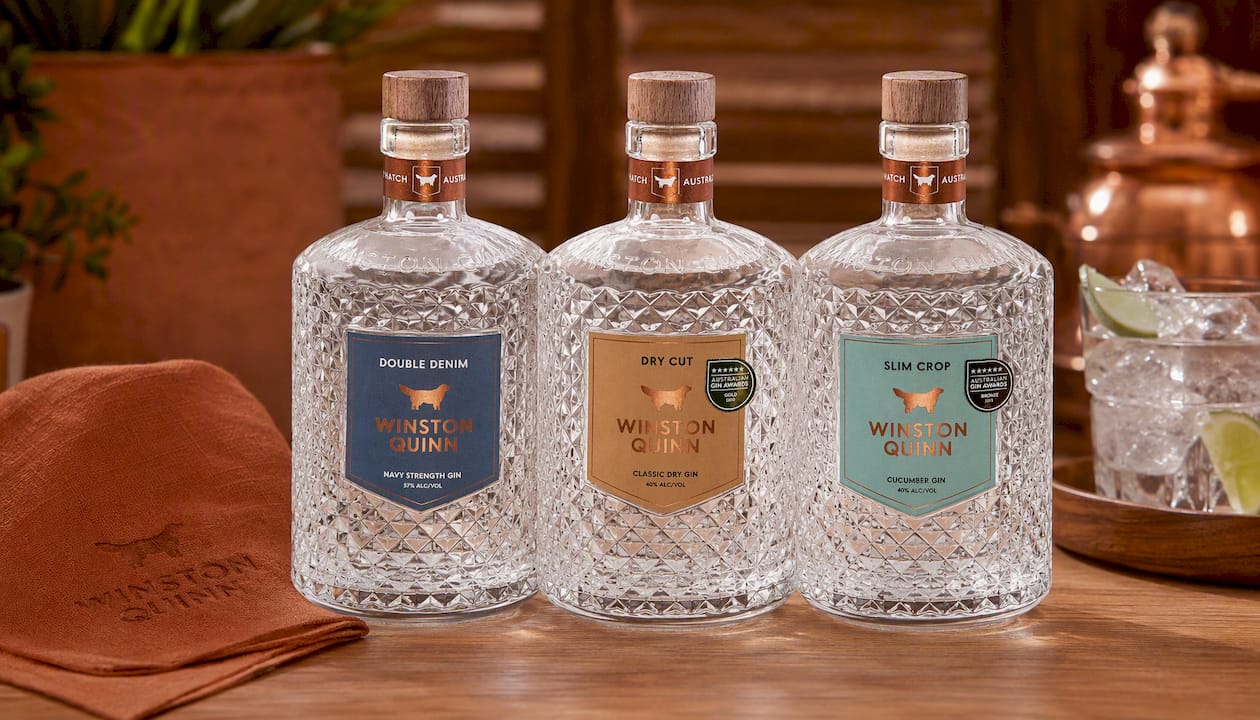
If you’re after something bold enough to headline a cocktail hour, Double Denim brings navy-strength intensity that holds up in stronger mixed drinks. Want one bottle that does double duty, sipping neat and holding its own in a mix, Dry Cut is the versatile pick. For a lighter contrast bottle, especially in a gift set alongside something heavier, Slim Crop offers a cleaner, cucumber-forward profile. Not sure which fits your palate? Take our gin match quiz on the site and find your bottle before you check out.
Sources
- Barrel Aged Spirits: From Whisky to Absinthe – ALANDIA
- Things to know about barrel ageing | Honest & Rare Magazine
- 7 Barrel Aged Gins Worthy of Mixing or Sipping — Alcohol Professor
- What to know about barrel aged spirits — Bohemian Bull
FAQ
Is barrel-aged gin an actual, recognised category?
Yes. It’s a distinct style where finished gin rests in oak casks, ex-bourbon, sherry, wine, or virgin oak, picking up colour and flavour compounds the wood alone provides. It sits between standard dry gin and aged spirits like whisky, aimed squarely at sipping and gifting rather than everyday mixing.
Which barrel-aged gin is considered the best?
There’s no single best, since the right pick depends on whether you want bold and high-proof or something lighter and more approachable. For a navy-strength option built to carry cask character, Double Denim is a strong starting point.
What is barrel gin good for?
It’s built for slow sipping, gifting, and spirit-forward cocktails like a whisky-style Old Fashioned or Manhattan riff. The oak-driven vanilla, caramel and dried fruit notes tend to get lost in high-dilution drinks like a standard gin and tonic, so it performs best neat or with minimal mixers.
What are the top gins to try in 2026?
Look for expressions that state their cask type and rest period clearly on the label rather than a vague “barrel finished” claim. From the Denim Collection, Dry Cut suits both sipping and mixing, while Slim Crop offers a lighter, cucumber-forward alternative for those who want less oak intensity.
