


Gin doesn’t spoil the way milk or bread does, and a sealed bottle stored properly stays safe to drink for decades thanks to its alcohol strength. Once opened, gin remains safe well beyond a year, but the botanicals that make it interesting start fading. You’ll notice flatter aroma and duller flavour long before you notice any real risk, typically peaking within roughly a year of opening.
TL;DR:
- Gin stored unopened in a dark, upright position can last indefinitely without spoilage, as its high alcohol content prevents microbial growth.
- Once opened, gin’s aroma and flavor peak within about a year and decline afterwards, especially if stored warm or in clear bottles exposed to light.
- Signs of degraded gin include dull aroma, flat taste, cloudiness, sediment, or a broken seal, rather than unsafe drinking conditions.
- Proper storage—cool, dark, tightly sealed, and decanting into smaller bottles after partial use—can extend the drinkable quality of opened gin significantly.
- Flavored or fruit-infused gins, as well as ready-to-drink cocktails, have a shorter shelf life and should be refrigerated after opening, typically within a few months.
Table of Contents
- Does gin go bad? Unopened vs opened timeline
- How can you tell if gin has gone past its best?
- Storage best practices to keep gin tasting its best
- What about flavoured gins, sloe gins, and RTD products?
- Winston Quinn notes: crafting gins that reward proper storage
- What I’d tell a mate about drinking older gin
- Where to find a fresh, botanical-forward bottle
- Sources
- FAQ
Does gin go bad? Unopened vs opened timeline
Sealed gin is remarkably stable. Distilled spirits bottled at 40% ABV or higher don’t support the bacteria or mould that spoil food, and a full bottle stored upright, away from heat and light, can sit in a cabinet for years without meaningful change, according to The Gin Guide. Nobody’s checking a “use by” date on gin the way they would on yoghurt, because there effectively isn’t one for an unopened bottle.
Cracking the seal changes the equation, not for safety, but for character. The botanicals responsible for that citrus lift or piney backbone begin reacting with oxygen the moment air gets in. Most drinkers notice peak aroma and flavour holding for about a year, with quality staying perfectly drinkable up to two years depending on how the bottle’s been treated, per Liquor Laboratory.
A few variables decide where your bottle lands on that timeline:
- Headspace matters more than people think. As the bottle empties, the air pocket above the liquid grows, and aroma loss accelerates roughly exponentially once you drop past the halfway mark.
- Closure type makes a measurable difference. Screw caps generally hold aroma better than corks over long periods, since cork allows slow evaporation even when reseated firmly.
- Storage conditions compound everything else. A bottle kept warm or in direct light will fade faster than one tucked into a dark pantry, regardless of closure.
None of this means an 18 month old bottle is dangerous. It just means the gin and tonic you pour from it might taste noticeably softer than the one you’d get from a fresh bottle.
How can you tell if gin has gone past its best?
Trust your nose first. Here’s what to check, in order:
- Smell it. Reduced juniper punch is normal ageing. Wet cardboard, vinegar, or a solvent-like sharpness signals real degradation, not just mellowing.
- Taste a small sip. Flatness, an odd bitterness, or a syrupy heaviness where there should be brightness all point to oxidation rather than contamination.
- Look at the liquid. Cloudiness on its own isn’t necessarily bad news. Some craft gins louche naturally when chilled because of essential oils in the botanicals, which is harmless. Sediment or an actual colour shift is different and worth taking seriously.
- Check the seal and surface. A broken seal, visible mould, or any floating film means the bottle may have been contaminated. Discard it. This is the one scenario where the answer isn’t “just use it in a cocktail anyway.”
These signs indicate a compromised seal or genuine contamination rather than ordinary oxidative fading, per Liquor Laboratory’s breakdown of discard cues. Most bottles you’ll ever open never reach this point. They just get quieter.
Storage best practices to keep gin tasting its best
Good storage habits stretch that peak flavour window further than most people expect, and none of them cost anything or take more than a moment.
- Keep it upright, cool and dark. A storage temperature of roughly 13 to 18°C works well, and anything up to 20°C is fine as long as the bottle avoids direct heat sources like a radiator or a sunny windowsill.
- Reseal tightly every time. Remove any pourer spouts after use, since they let air in constantly and speed up evaporation. The original cap or cork does a better job resting between pours.
- Avoid sunlight altogether, not just direct heat. UV exposure and clear glass accelerate the breakdown of the aromatic compounds called monoterpenes. Studies cited by Flight Wine Bar found monoterpene losses of 15 to 40% after 24 months in clear glass exposed to light, compared with under 8% in amber bottles kept shaded.
- Decant when the bottle gets low. Once a 750ml bottle drops below a quarter full, moving the remainder into a smaller 200 to 375ml bottle cuts down headspace and slows oxidation considerably.
- Think twice about the freezer. It’s fine for chilling gin before serving, but it can mute the more delicate botanical notes and cause louching in non-chill filtered spirits. Neither is dangerous, but repeated freeze and thaw cycles wear down balance over time.
Pro Tip: If you’re down to the last third of a bottle and know you won’t finish it soon, decant it into something smaller rather than leaving a half-empty bottle on the shelf for months. Less air trapped above the liquid means the aromatics you paid for stay intact longer.
What about flavoured gins, sloe gins, and RTD products?
Standard rules for gin shelf life don’t apply once sugar, fruit, or other ingredients enter the bottle. Flavoured and sloe gins carry a lower effective preservative margin because those additions dilute the alcohol’s protective strength, according to The Gin Guide. Expect a shorter opened life measured in months rather than years, and refrigerate after opening.
Ready-to-drink gin cocktails and canned or bottled mixes follow whatever date is printed on the packaging, full stop. These products are formulated closer to a soft drink than a spirit, and once opened, they belong in the fridge.
- Non-chill filtered craft gins can go cloudy in the freezer from concentrated botanical oils, which is harmless on its own.
- Repeated freezing and thawing still isn’t a great habit for these styles, since it can flatten the layered character that makes them worth drinking slowly.
- When in doubt with any flavoured or fruit-based spirit, treat it more like an opened bottle of wine than a bottle of straight gin.
Winston Quinn notes: crafting gins that reward proper storage
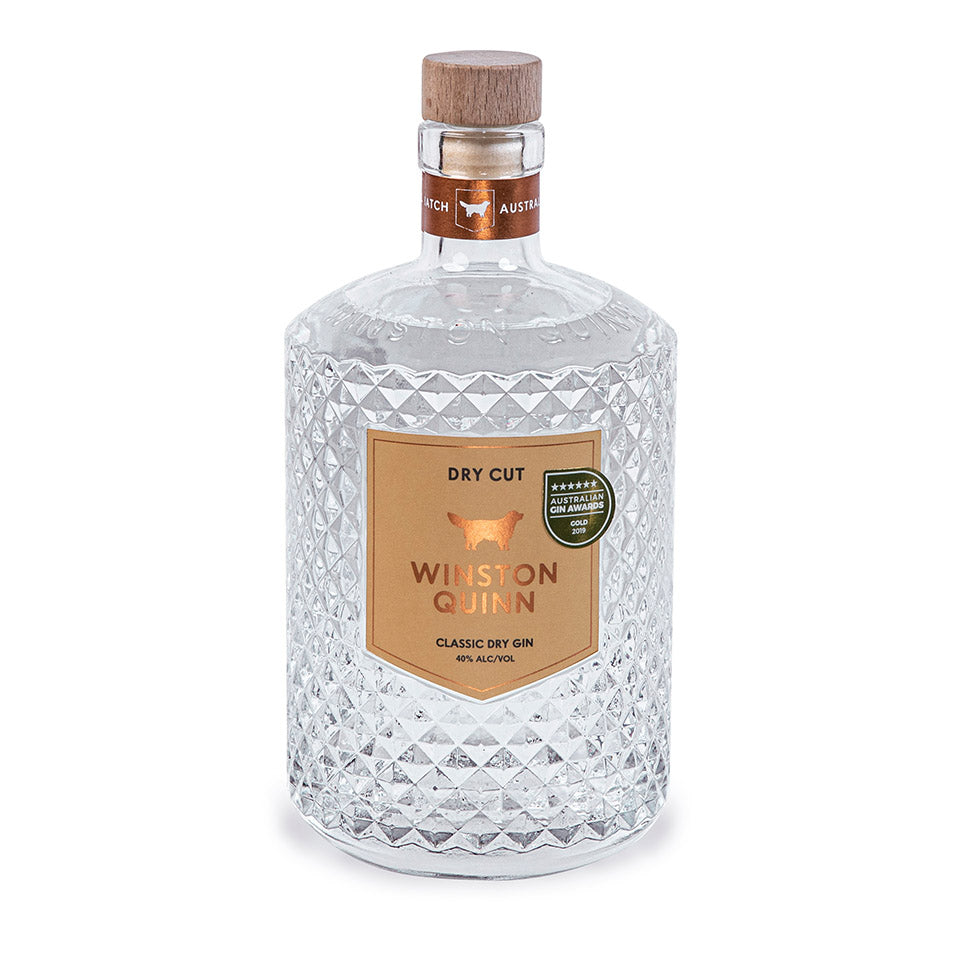
We build our gins around locally sourced botanicals chosen for how they express themselves in the glass, not just how they smell in the jar. That means the volatile oils in Dry Cut Gin and Slim Crop Gin are genuinely sensitive to light and heat, the same compounds that give them their character are the first to fade if a bottle sits in a warm spot too long.
A few habits help preserve the qualities distilled into craft gin batches:
- Keep the cap tight between pours and store the bottle upright in a cool, shaded spot.
- If you notice gentle clouding in Double Denim Gin after time in the fridge or freezer, that’s the botanical oils responding to temperature, not a fault.
- Finish an opened bottle within a reasonable window rather than letting it linger half full for a year.
What I’d tell a mate about drinking older gin
Finish an opened bottle within about a year if you want it tasting the way the distiller intended, and decant when you’re down to the last quarter to buy yourself more time. Grab a fresh bottle and taste it side by side with something that’s been open a while. You’ll notice the difference immediately, and it’s a genuinely useful way to understand what oxidation actually does to botanicals. If you’re not sure which profile suits your palate, a gin match quiz can make that decision easier.
— Winston
Where to find a fresh, botanical-forward bottle
Once you know how much storage affects flavour, tasting a genuinely fresh bottle becomes its own small education. Some gin collections feature a variety of styles: one may be crisp and citrus-forward, another lighter with cucumber notes, and another bolder with higher strength that holds aromatics a little differently than standard-strength gin.
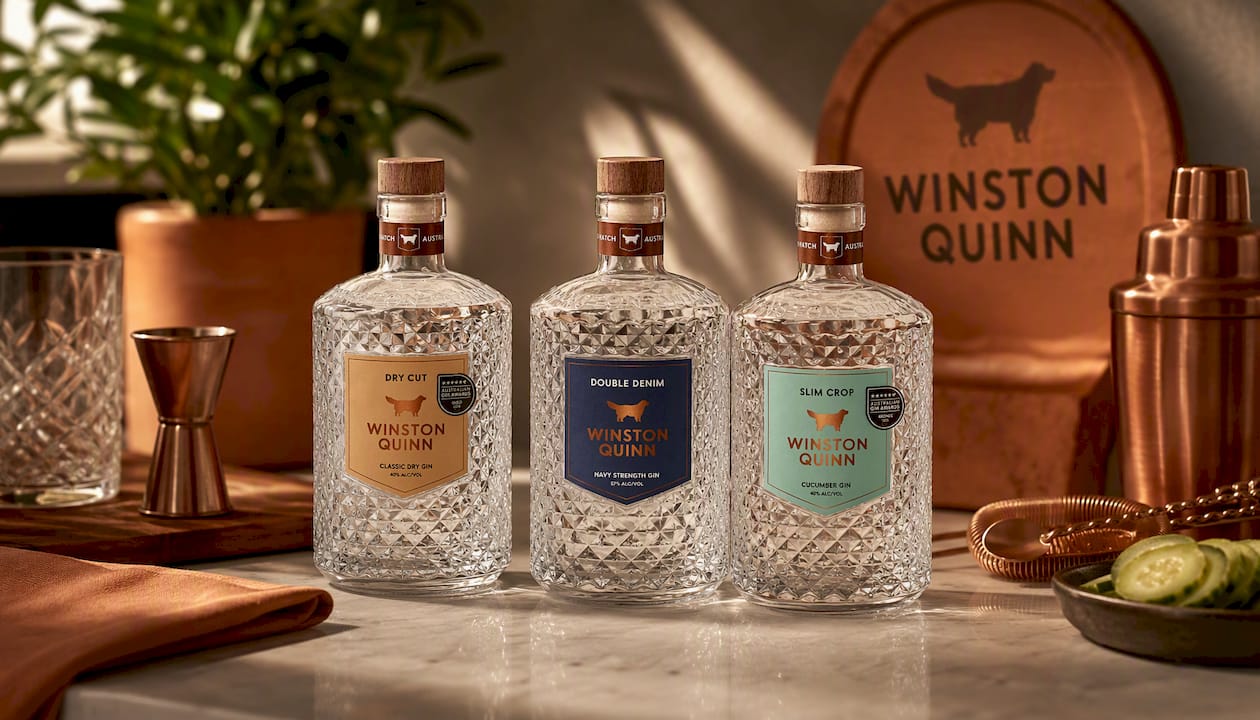
These gins are often distilled from locally sourced botanicals with no artificial colouring, aiming to offer what was intended in the original distillation to the consumer. If you’ve got an older bottle in the cabinet, pour a fresh glass of Dry Cut Gin next to it and see what twelve months of oxidation actually does. Browse the full Gins collection or explore The Denim Collection to find a style worth keeping properly stored, and pick up a bottle of tonic while you’re at it.
Sources
- Gin FAQs: How to store gin & does gin go off? - The Gin Guide
- Does Gin Go Bad? – Liquor Laboratory
- Does Gin Go Bad (2026 Guide) - Flight Wine Bar
FAQ
Can you drink 10 year old gin?
Yes, if the bottle has stayed sealed the entire time and was stored upright away from heat and light. Unopened gin’s high alcohol content keeps it microbiologically stable for years, so a decade old sealed bottle is generally still safe, though its aroma may have softened slightly if it wasn’t kept in the dark.
How do you tell if gin has gone bad?
Smell it first. Reduced juniper is normal ageing, but wet cardboard, vinegar, or a solvent-like sharpness means real degradation. A broken seal, visible mould, or floating film means you should discard the bottle rather than risk it.
Is it safe to drink 40 year old gin?
Generally yes, provided the seal was never broken and the bottle avoided heat and direct sunlight for its entire life. The flavour will almost certainly have dulled compared to a fresh bottle, but the alcohol content that keeps gin shelf-stable doesn’t weaken with age the way food does.
How long does opened gin last?
Opened gin typically holds peak aroma and flavour for around 12 months, staying drinkable for up to 24 months depending on storage and how much headspace is in the bottle. Keeping it capped tightly, upright, and away from light extends that window noticeably.
Does Winston Quinn recommend any particular storage approach?
We suggest storing any bottle from The Denim Collection upright in a cool, dark spot, and decanting into a smaller container once it’s down to the last quarter. This keeps the locally sourced botanicals in Dry Cut, Slim Crop, and Double Denim tasting the way they were distilled to taste.
